Lucky numbers are a perfect example of how humans turn something simple into something meaningful. From a mathematical perspective, numbers don’t have feelings, personalities, or luck attached to them. But people do, and for thousands of years we’ve been assigning meaning to certain digits based on culture, history, and personal experience.
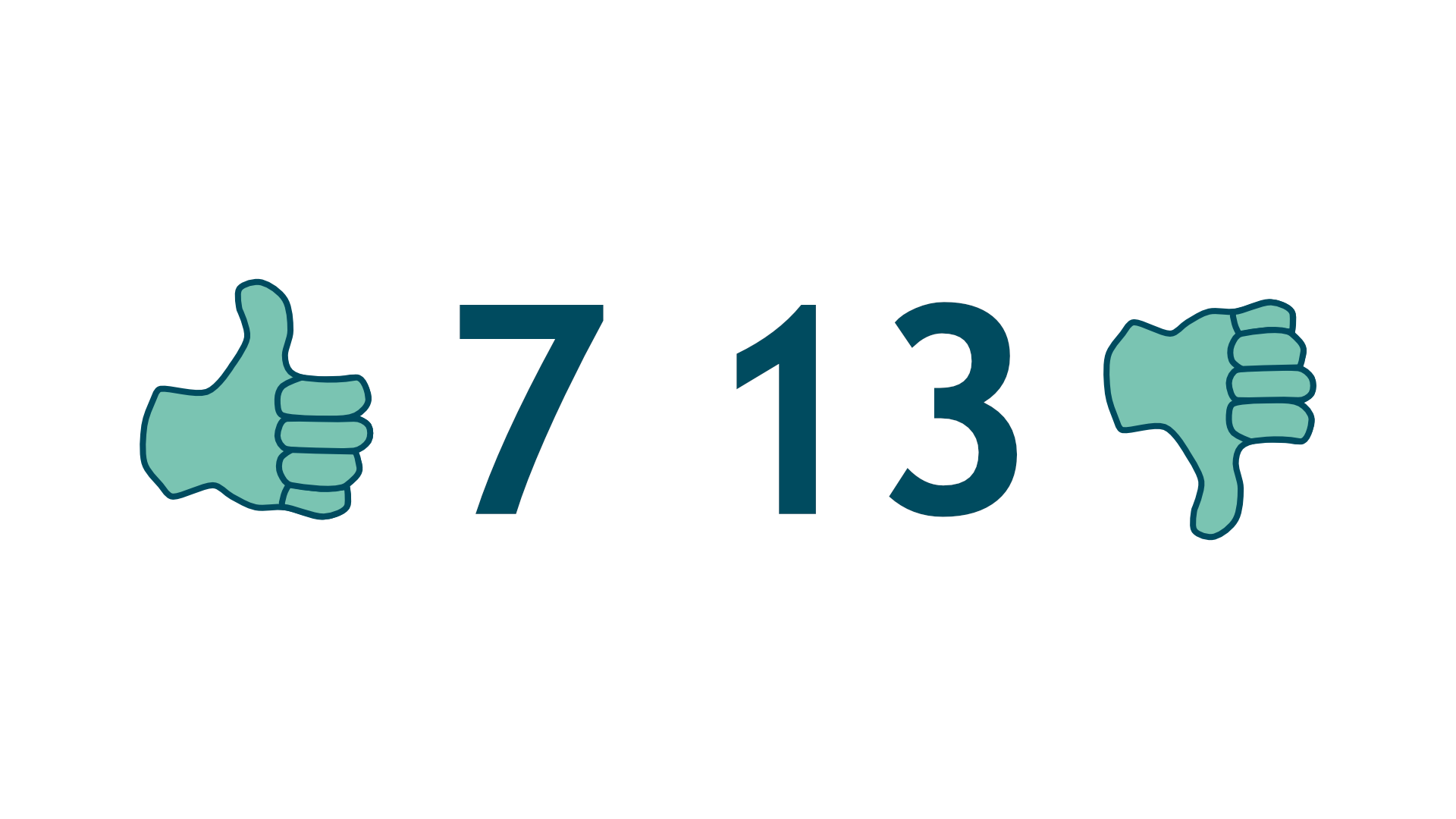
Take 7, probably the most famous lucky number in Western culture. Mathematically, it’s a prime number, which already makes it stand out. Historically, it shows up everywhere: seven days in a week, seven deadly sins, seven virtues, and seven wonders of the ancient world. Even in modern life, casinos use 7 as a symbol of winning. When a number keeps popping up like that, it starts to feel special.
Then there’s 8, which is extremely lucky in many East Asian cultures. The reason starts with language, the word for eight sounds like the word for wealth or success in Mandarin and Cantonese. But maths helps too. Eight is 2³, which connects it to balance and growth. That’s why people pay huge amounts for license plates or phone numbers filled with eights, and why the Beijing Olympics famously opened on 08/08/2008.
On the flip side, 13 is often seen as unlucky, especially in Western countries. Mathematically, there’s nothing wrong with 13, it’s another prime number. But history gave it a bad reputation through religion, myths, and unlucky events tied to the number, many due to it being ‘one more than 12’ in various contexts. That belief is so strong that many buildings skip the 13th floor entirely, and hotels avoid having a ‘Room 13’. Meanwhile, in some cultures, like in Tibet, 13 is actually lucky and holy, which shows how flexible these ideas really are.
Some lucky numbers are deeply personal. People often choose numbers linked to birthdays, favourite athletes, or important life moments. If someone wins the lottery using their birthday numbers, those digits become ‘lucky’ forever. Math says the odds were the same either way, but the human brain loves patterns and stories.
Sports are full of lucky number examples. Athletes stick with jersey numbers they associate with good performances. Michael Jordan made the number 23 iconic in Basketball, and now many players consider it lucky just because of him. Again, nothing mathematical changed, only the meaning we attached to it.
Mathematics helps explain why lucky numbers feel convincing. True randomness includes repeats and streaks, even though people expect variety. If you keep seeing the same number on clocks, receipts, or license plates, your brain highlights it and ignores all the times it didn’t appear. This makes coincidences feel intentional.
Certain number types have also gained lucky reputations over time. Fibonacci numbers, perfect numbers, and palindromic numbers were once thought to hold mystical power. Even today, people feel drawn to incidences of numbers like 11:11, seeing them as signs or good luck moments.
In the end, lucky numbers aren’t really about maths proving luck exists. They’re about how humans interact with numbers. We use them to create meaning, comfort, and hope. Numbers may be neutral, but the stories we build around them definitely aren’t.