The 67th International Mathematical Olympiad, or IMO 2026 for short, officially began on Tuesday 14 July with a spectacular opening ceremony in the Chinese metropolis of Shanghai. The world championship maths competition for high school students, the most prestigious mathematical competition in the world, has been held every year bar one across the world since 1959. China, the most successful participating country in the Olympiad’s history, is hosting the competition for the second time.
This year’s edition of the Olympiad sees a record-breaking 685 contestants from 119 countries travelling to Shanghai to take part in the competition, the largest number of countries and participants ever in 67 runnings. This year’s event is hosted at Shanghai High School and co-organised by the Chinese Mathematical Society and the Shanghai Municipal Education Commission.
China topped the medal table at last year’s Olympiad in Sunshine Coast, Australia.
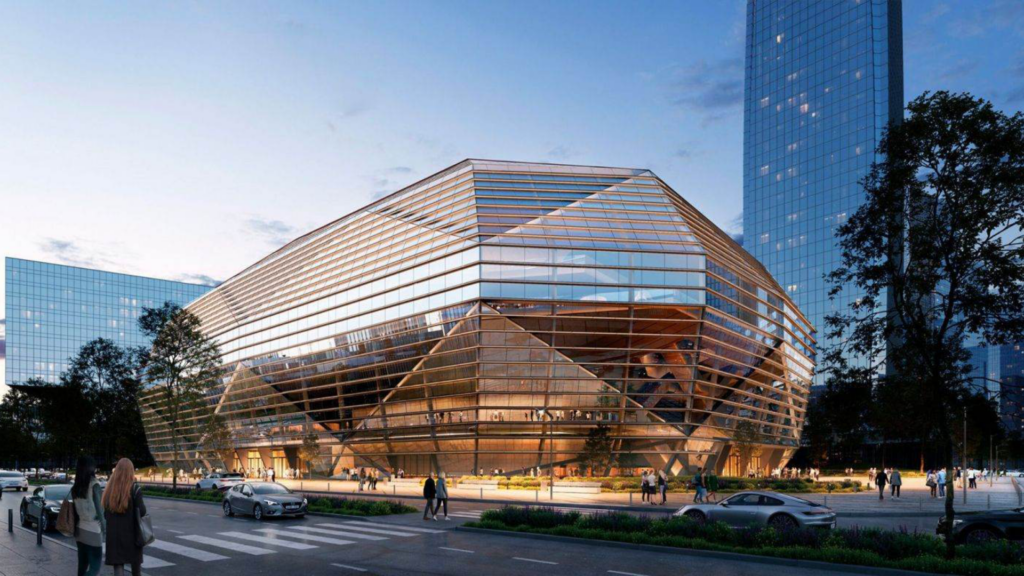
The grand Opening Ceremony was held at the West Bund International Convention and Exhibition Center on the waterfront of Shanghai’s Huangpu River. Gregor Dolinar, President of the IMO Board, declared the Olympiad open on Tuesday, marking the beginning of an extraordinary journey for young mathematicians from across the globe. The celebration of the world of maths began with orchestral music, impressive speeches, graceful robotic performances, showcases of oriental culture and Olympic songs, concluding to the melody of Hand in Hand.
Participants will have three problems to solve in four-and-a-half hours on each of the ‘contest days’ of Wednesday and Thursday.
There will also be a host of recreational activities, from chess and darts to gaming, swimming, film screenings and World Cup match replays offering the contestants a relaxed end to their day. There will also be excursions and opportunities to explore local culture, in addition to talks by leading mathematicians including former Fields Medalists.
The Olympiad aims, above all, to build an international community and promote a wider appreciation of mathematics, enabling the brightest and most talented high school students to demonstrate their mathematical ability with peers from across the world, encouraging them to form connections and share ideas.
About Shanghai
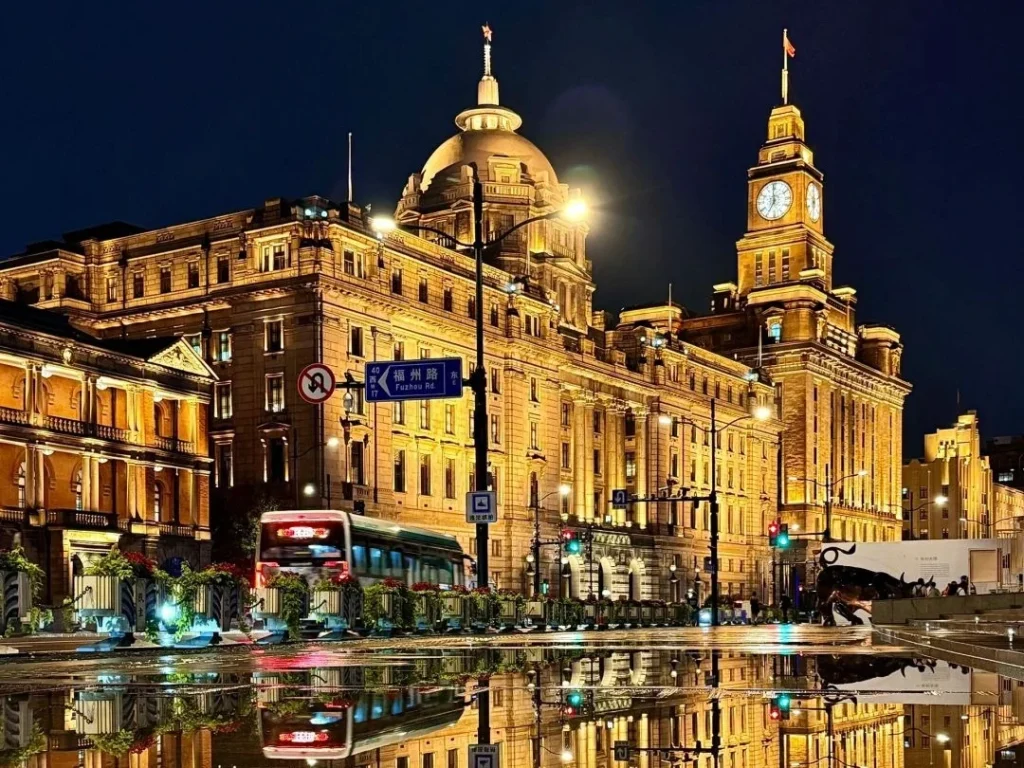
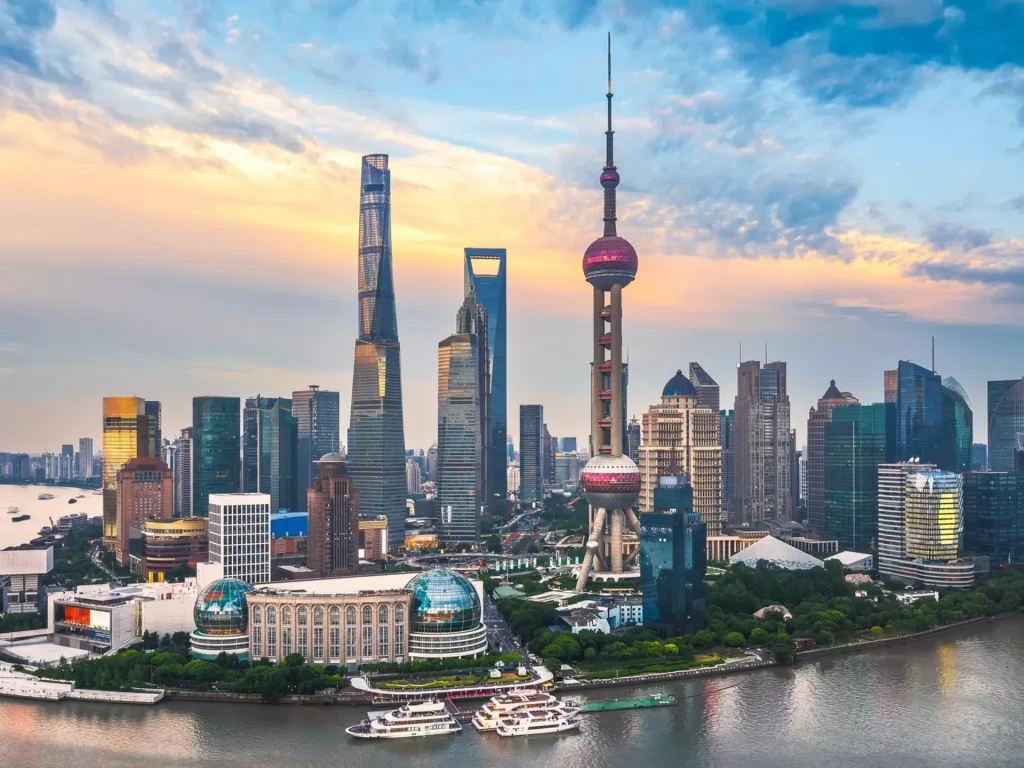
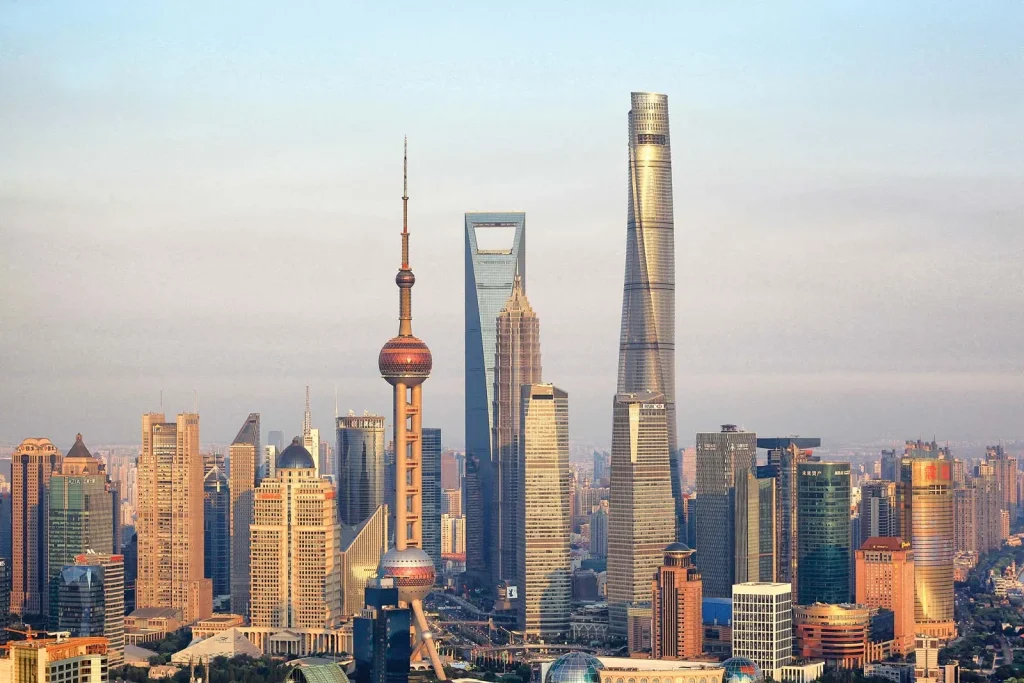
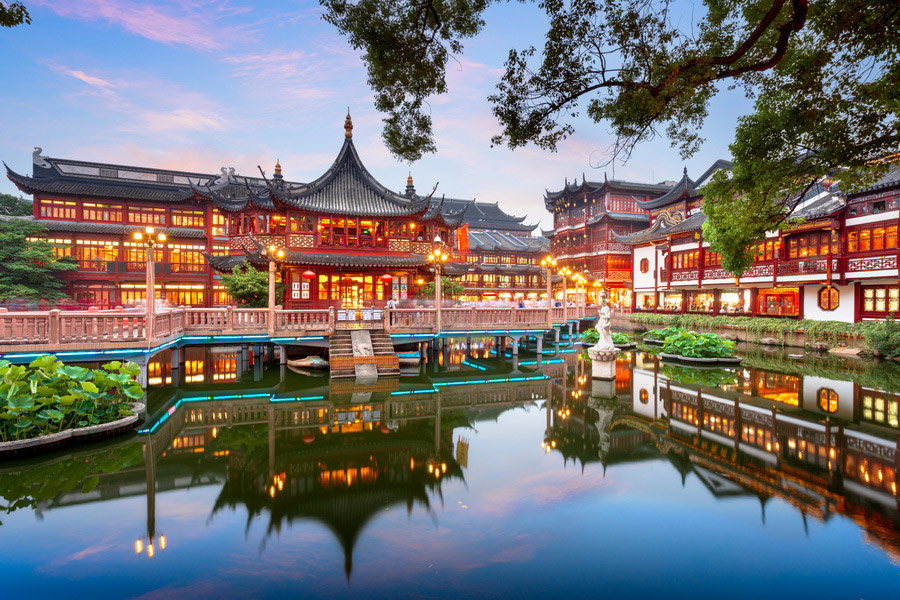
Shanghai is China’s largest city and one of the world’s most significant financial and technological hubs. Vast, bustling and steeped in history, this megacity blends the old and the new, from the beautifully preserved neoclassical and art deco buildings on the Bund waterfront, an artefact of European colonialism, to the cutting-edge Lujiazui skyline of towering glass skyscrapers and space-age monuments. Having grown rapidly as a key port during the 16th century, the metropolis is now a tremendously important global centre for trade, culture and innovation.
Shanghai hosts the IMO for the first time, with Beijing having taken the honours in 1990.
How the IMO works
Every country can send a team of up to six contestants. There are six problems to solve, chosen from various areas of secondary school mathematics, including algebra, combinatorics, geometry, and number theory, over two consecutive days. Up to seven points are awarded per response to each question by a jury, with a total of 42 points available for each contestant. Gold, silver and bronze medals are awarded to approximately half of the participants in a roughly 3:2:1 ratio. Honourable mentions are awarded to contestants who do not receive a medal but obtain a full solution on at least one problem.
Every year The Mirzakhani Prize is given at IMO to the best female contestant in each of five regions.
A medal table is announced at the end of each IMO, combining the medals of each participating country.
Additionally for this year, Diamond sponsor OpenAI has kindly offered all Gold medal winners as well as the winners of the Maryam Mirzakhani award, a 12 month subscription to ChatGPT Pro.
You can find out more about the format of the event here or on the IMO website.
About this year’s competition
The logo
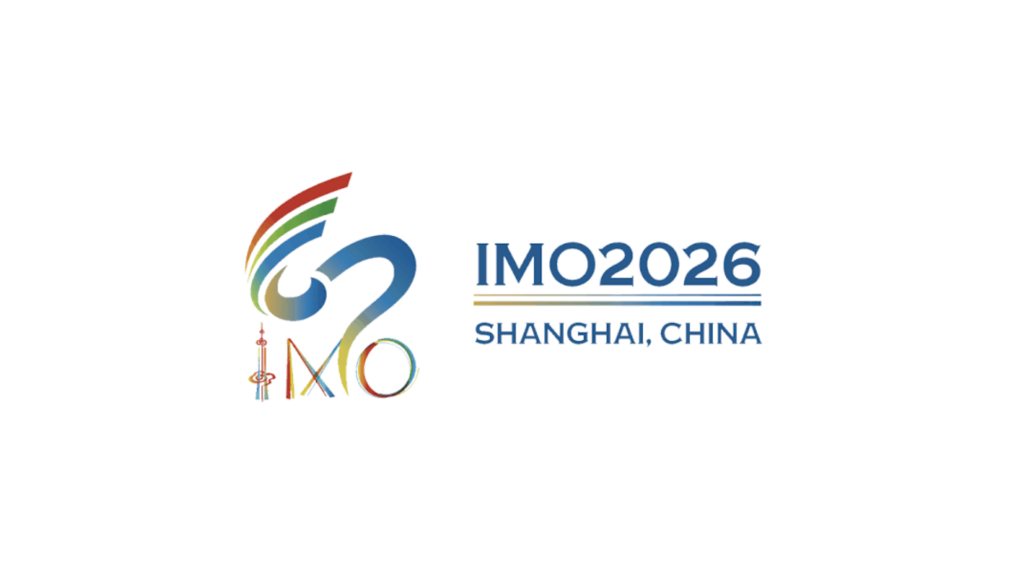
There is no shortage of thought behind this year’s Olympiad logo. According to the official website:
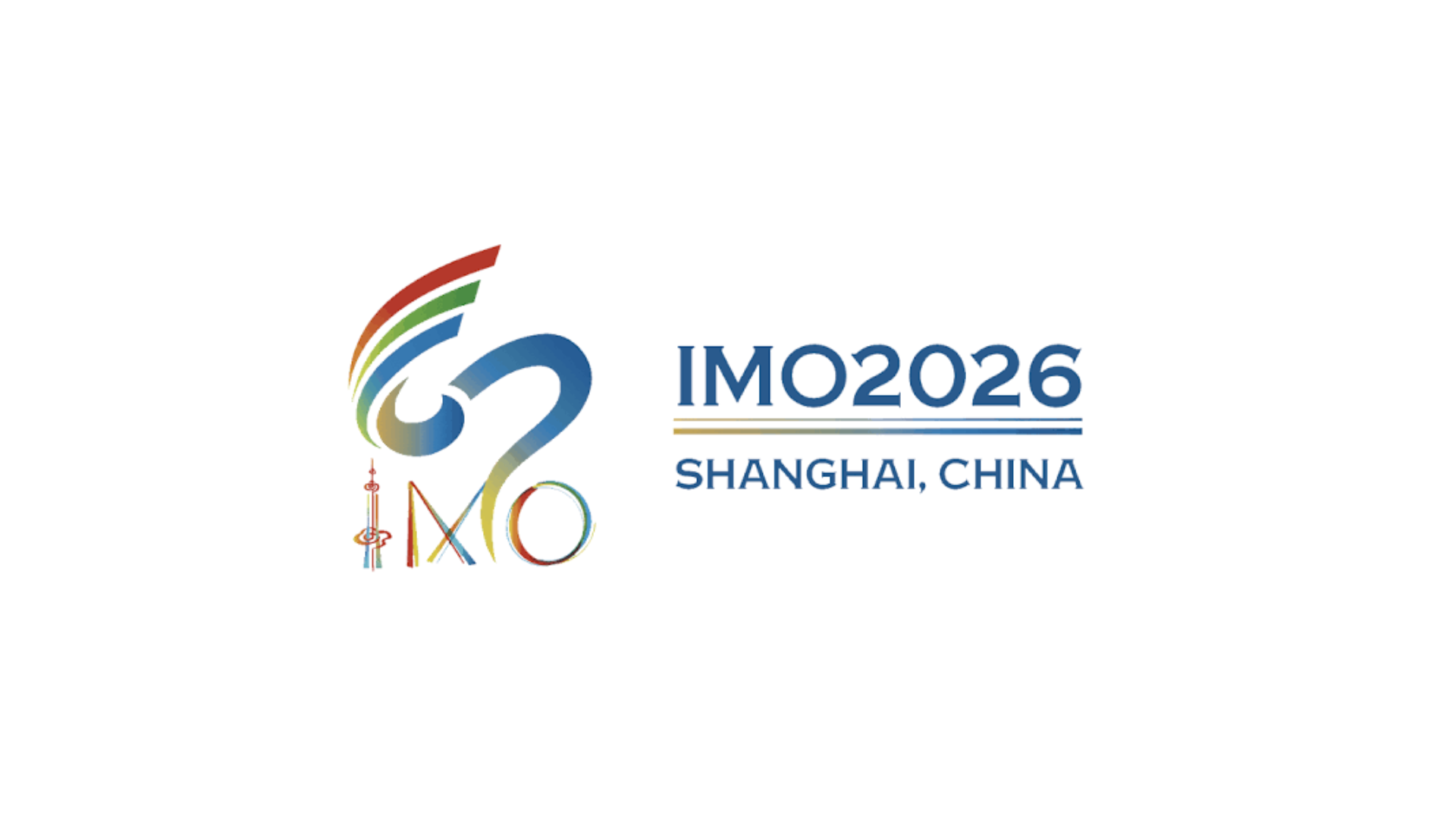
The upper section features a Möbius strip racetrack formed using the five colors of the Olympic rings. The flowing curves not only shape the number “67,” symbolizing the 67-year journey of the IMO, but also extend into the infinity symbol, representing the boundless nature of mathematics.
The lower section displays the letters “IMO.” The overlapping lines in the Olympic colors highlight the global reach and diversity of mathematics. The interwoven colored lines form the IMO acronym, symbolizing unity and cooperation across five continents, as well as the inclusive, borderless nature of mathematics.
The letter “I” is inspired by the Oriental Pearl Tower, a landmark of Shanghai. Three stylized “auspicious clouds” are positioned at the 1st, 2nd, and 7th points along the “I” (the Oriental Pearl), referencing the binary representation of 67: “67 = (1000011)₂,” in which the digit “1” appears at positions 1, 2, and 7 (an idea contributed by Mr. Yijun Yao from Fudan University).
The introductory video
You can watch the IMO 2026 introductory video here.